Best Stock Market Course for Beginners to Advanced Traders
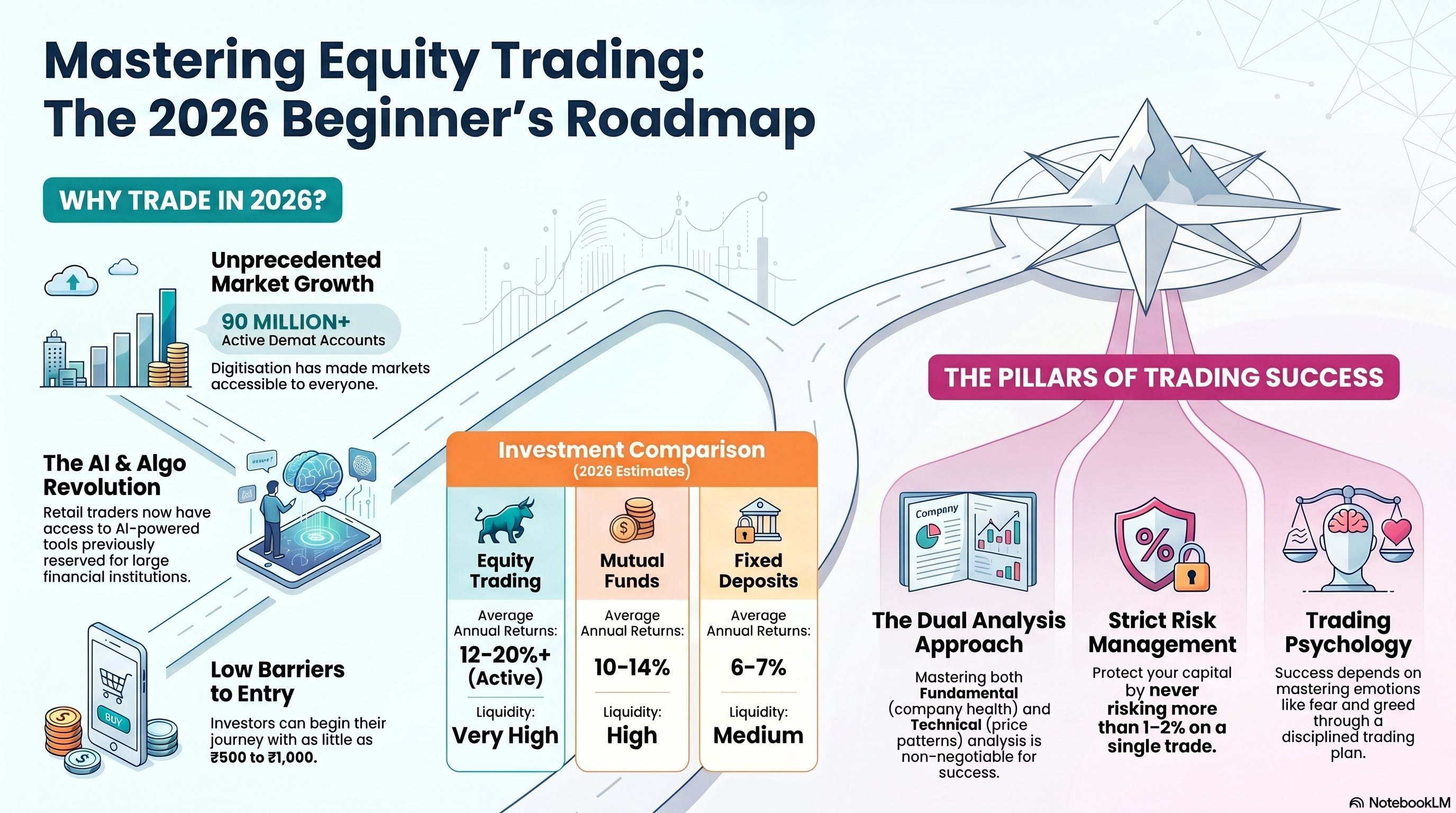
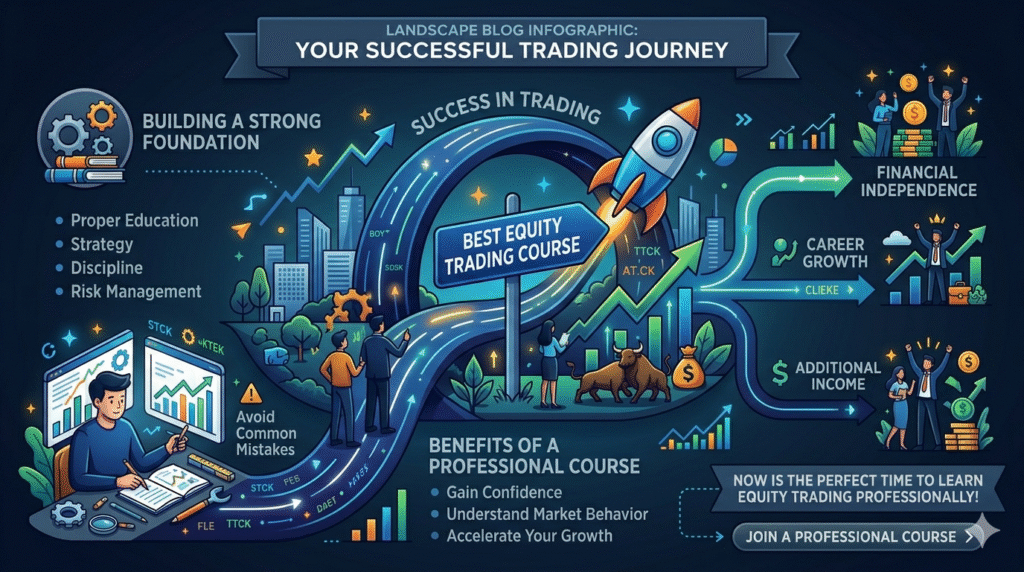
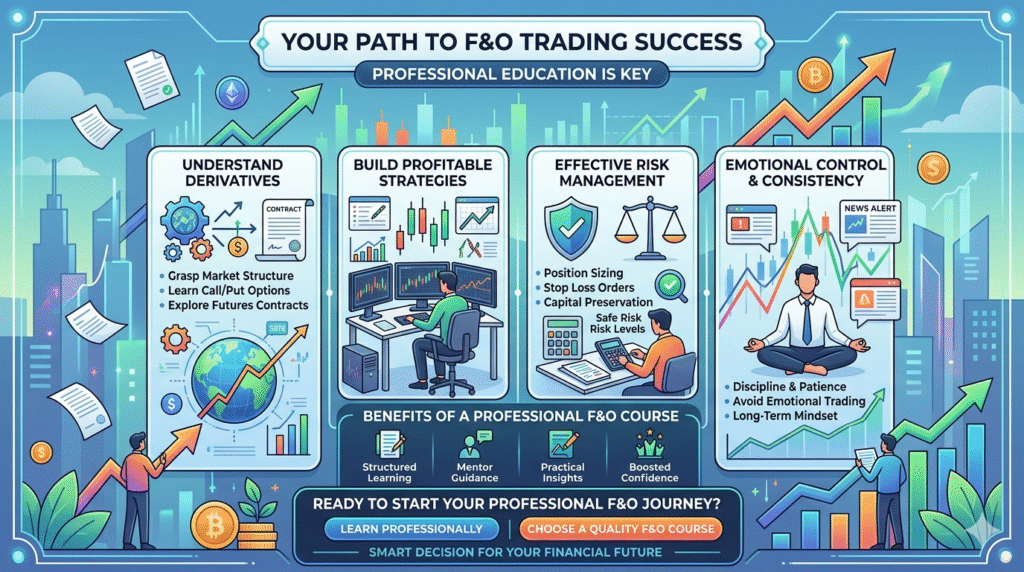
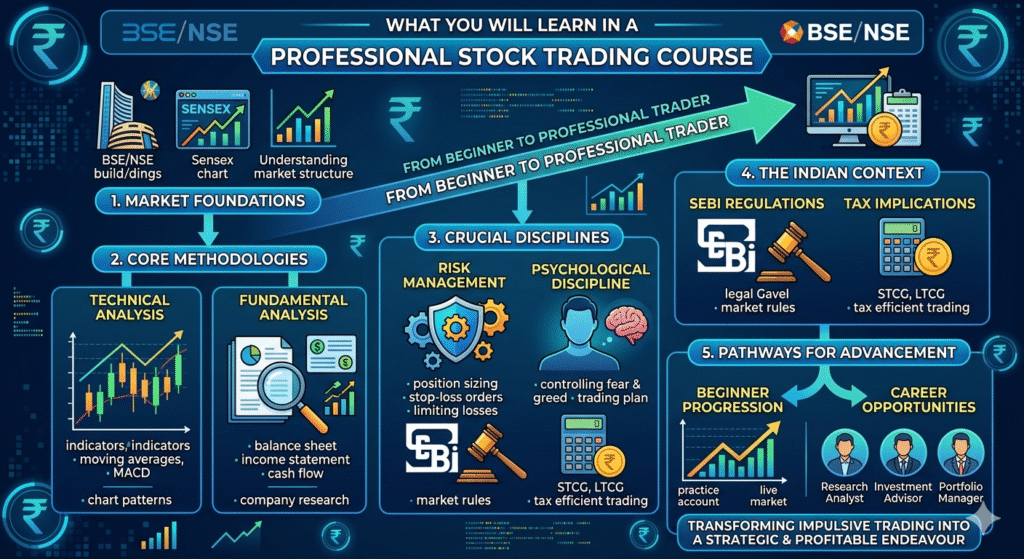
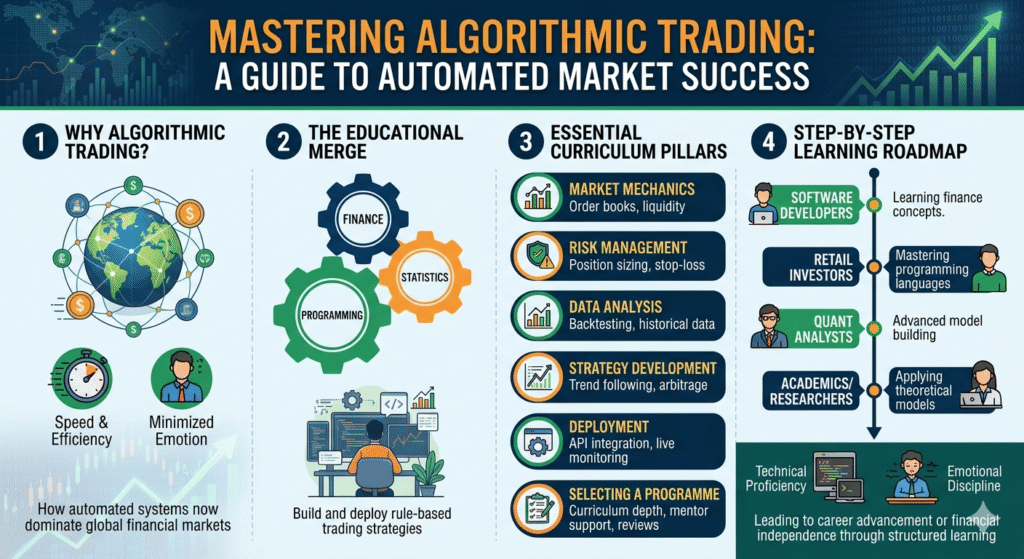
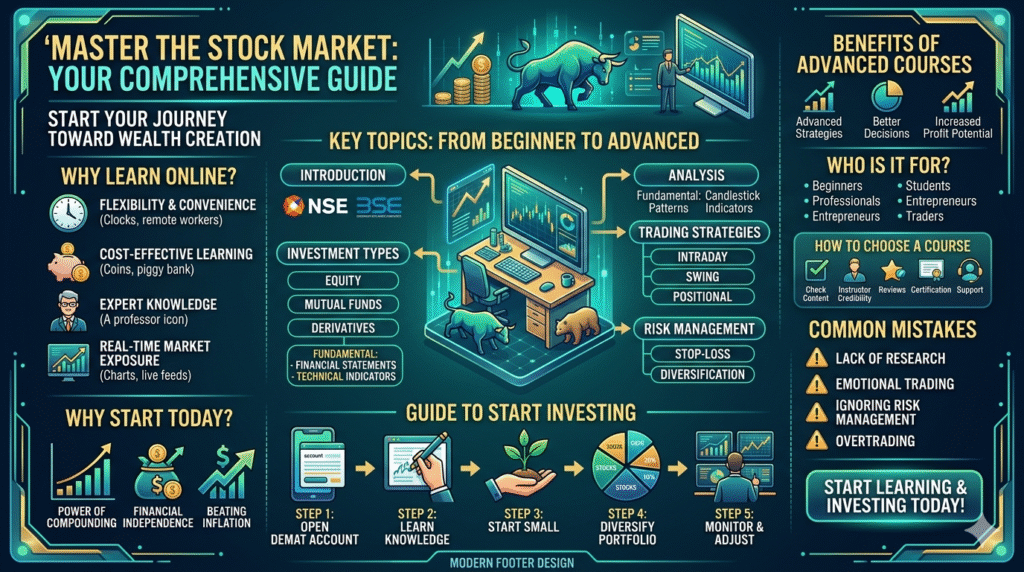
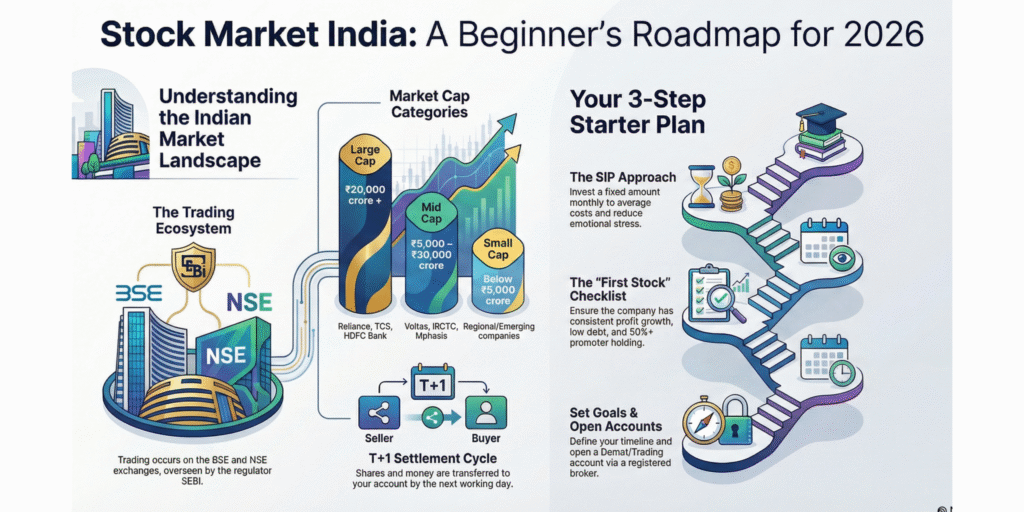
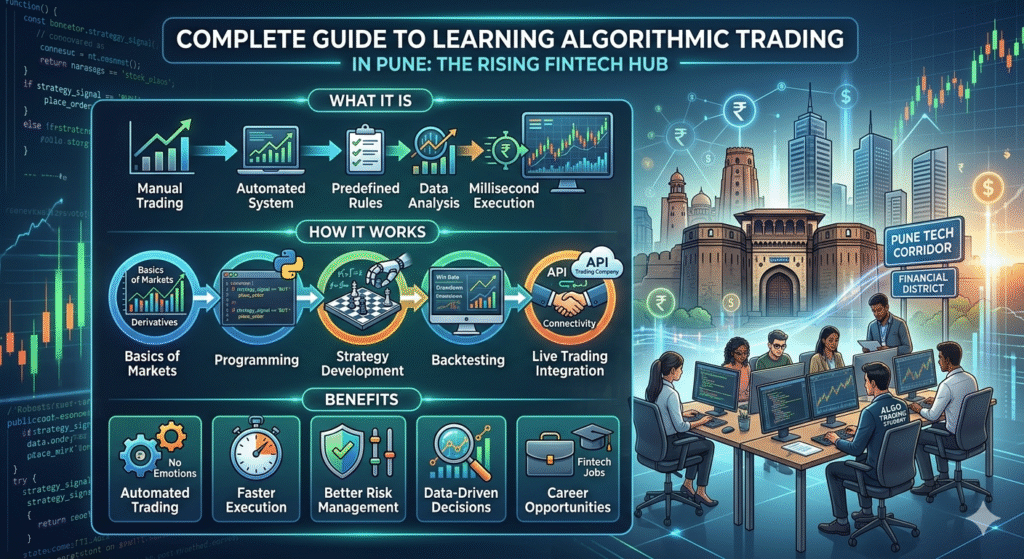
Are you searching for the best stock market course to kickstart your trading journey? Whether you are a complete beginner who has never bought a single share, or an experienced trader looking to upgrade your skills with algorithmic strategies, choosing the right education platform makes all the difference. India’s financial markets are booming. The NSE and BSE together handle millions of retail trades every single day. Yet, most traders still lose money — not because the market is unfair, but because they lack proper structured learning. Enrolling in the best stock market course gives you the edge that separates profitable traders from the rest. In this comprehensive guide, we will walk you through everything you need to know about selecting the best course to learn stock market fundamentals, derivatives, commodities, forex, crypto, and algorithmic trading. By the end of this post, you will have a clear roadmap to choose the right program and start trading with confidence. Why You Need the Best Stock Market Course in 2025 Many people try to learn trading from YouTube videos, random blog posts, or tips from friends. While free content has its place, nothing replaces a structured, expert-led curriculum. Here is why investing in the best stock market course is a smart decision: Structured Learning Path: A good course takes you from zero to proficient without overwhelming you. You progress step by step — from understanding stock exchanges to executing live trades. Expert Mentorship: The best course of stock market training is delivered by professionals who have actually traded in real markets. Their real-world insights save you years of trial and error. Risk Management Training: Every profitable trader will tell you that managing risk is more important than picking winners. The best course for stock market for beginners teaches position sizing, stop-losses, and capital allocation from day one. Live Market Practice: Theory alone cannot make you a trader. The best programs include paper trading, live sessions, and real-time market analysis so that you develop practical skills alongside theoretical knowledge. Community and Support: When you join the best stock market course, you also join a community of like-minded traders. Peer learning, group discussions, and mentor support accelerate your progress dramatically. What to Look for in the Best Course for Indian Stock Market India’s stock market has its own unique characteristics. SEBI regulations, NSE/BSE dynamics, F&O settlement cycles, commodity exchanges like MCX — these are topics that only a platform focused on the best course for Indian stock market will cover comprehensively. Here are the key factors to evaluate before enrolling: 1. Curriculum Depth and Breadth The best course to learn about stock market should cover: Equity Basics — How stock markets work, IPOs, indices (Nifty 50, Sensex), demat accounts, and order types Technical Analysis — Candlestick patterns, support & resistance, RSI, MACD, EMA, Bollinger Bands, volume analysis Fundamental Analysis — Reading balance sheets, P&L statements, ratios like P/E, P/B, ROE, and sector analysis Futures & Options (F&O) — Contract mechanics, payoff structures, Greeks (Delta, Theta, Vega), hedging strategies Commodities — Gold, silver, crude oil, agricultural commodities on MCX Forex & Crypto — Currency pairs, global macro factors, cryptocurrency market structure Algorithmic Trading — API integration, no-code bots, backtesting, and live deployment 2. Instructor Credentials The best course for learning stock market strategies should be taught by someone who has skin in the game — a SEBI-registered research analyst, a professional quant trader, or a seasoned portfolio manager with a verifiable track record. 3. Mode of Delivery Look for a course that offers: Pre-recorded video lessons for self-paced learning Live interactive webinars for real-time market discussions Downloadable study material and trading worksheets WhatsApp or Telegram support groups 4. Post-Course Support The best stock market course does not end when the last lesson is over. Lifetime access to course updates, ongoing mentorship, and a supportive community are signs of a genuinely valuable program. 5. Pricing and Value The best course for stock market for beginners should be accessible. Avoid platforms that charge lakhs for basic content. Look for transparent pricing, no hidden costs, and a clear money-back or satisfaction policy. Best Stock Market Course Options at API Trader API Trader is a Mumbai-based AI and algorithmic trading education company that has designed six specialized courses for Indian traders at every skill level. Let us look at each program in detail. Stock Market Basic Fundamental Program — ₹9,999 This is the best stock market course for absolute beginners. It covers the A to Z of stock markets, company analysis, and safe long-term investing. Over 12 structured lessons, you will learn: How Indian stock exchanges (NSE/BSE) operate How to open and manage a demat and trading account Understanding Nifty, Sensex, and sector indices Basics of technical and fundamental analysis How to pick strong stocks for long-term wealth creation If you are looking for the best course for stock market for beginners that builds unshakeable foundations, this program is your starting point. At just ₹9,999 with lifetime access, it offers exceptional value. F&O Trading Sikandar Program — ₹19,999 Futures and Options are where serious traders generate significant returns — but also where the uninformed lose money fast. The F&O Trading Sikandar Program is the best course to learn stock market derivatives trading in India. This 15-lesson course covers: Understanding Futures contracts — lot sizes, margin requirements, rollover Options basics — Calls, Puts, strike prices, expiry Option Greeks — Delta, Gamma, Theta, Vega in plain language Advanced strategies — Iron Condor, Bull Call Spread, Bear Put Spread Risk management and position sizing for F&O Live market setup and trade execution With 120+ enrolled students already profiting from this curriculum, this is widely considered the best course of stock market derivatives training for intermediate traders. Forex & Crypto Trading Sikandar Program — ₹19,999 Global markets never sleep. The Forex & Crypto Trading Sikandar Program is the best stock market course for traders who want to expand beyond Indian equities and trade currency pairs and digital assets. This 18-lesson program teaches: Major